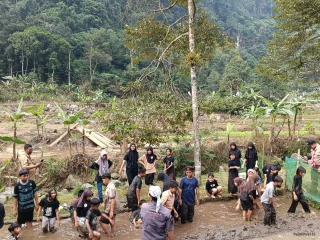
Nurturing cooperation through sports the importance of teamwork for children

Nurturing cooperation through sports the importance of teamwork for children
The Foundation of Teamwork in Childhood
Teamwork is an essential life skill that begins to develop in early childhood. Engaging in sports is one of the most effective ways for children to learn the importance of collaboration and cooperation. When children participate in team sports, they not only learn to work towards a common goal but also develop a sense of belonging and community. This nurturing environment fosters friendships and social interactions that are critical for emotional growth. For those interested in sports betting, the Croatia vs Ghana latest odds can provide insights into how teams are performing.
Moreover, team sports encourage children to communicate effectively, making them more adept at expressing their thoughts and feelings. Whether it’s deciding on strategies or resolving conflicts, the ability to articulate ideas clearly is a valuable lesson learned on the field. These skills are transferrable to school projects, family dynamics, and future professional environments, making teamwork a cornerstone of personal development.
Additionally, the experiences gained through teamwork in sports can significantly boost children’s confidence. Achieving goals as a team not only enhances self-esteem but also motivates them to take on challenges in various aspects of life. This multifaceted approach to learning fosters resilience, teaching children that setbacks are part of the journey and that support from teammates can help them overcome obstacles.
Emotional and Social Benefits of Team Sports
Participating in sports as a team provides children with emotional benefits that extend far beyond the playing field. One of the most significant advantages is the development of empathy. When children work closely with others, they learn to appreciate different perspectives and experiences, fostering a deeper understanding of their peers. This emotional intelligence is crucial for forming meaningful relationships and navigating complex social situations.
Furthermore, teamwork teaches children how to handle disappointment and celebrate success collectively. Learning to cope with losses and victories together creates a safe space where children can express their emotions freely. This emotional resilience not only prepares them for future sports endeavors but also equips them with skills to manage life’s ups and downs gracefully. Such experiences help build character, making them more adaptable in various life situations.
In addition, the social networks formed through team sports often lead to lasting friendships. These connections can provide support systems that enhance children’s social development, teaching them the value of loyalty and cooperation. As they share experiences, whether in victory or defeat, these bonds become crucial to their sense of identity and belonging, thereby enriching their overall childhood experience.
The Role of Coaches and Mentors
Coaches and mentors play a pivotal role in shaping children’s understanding of teamwork through sports. A good coach not only focuses on skill development but also emphasizes the importance of teamwork, helping children grasp its significance. By creating an inclusive environment, coaches encourage players to support each other, reinforcing the idea that collaboration leads to collective success.
Mentorship in sports often extends beyond just athletic training. Coaches can teach life lessons that help children navigate challenges both on and off the field. For instance, a coach who prioritizes teamwork will instill values such as respect, dedication, and accountability. These lessons become integral to a child’s character, influencing their behavior in school and future endeavors.
Moreover, effective coaches recognize the unique strengths of each child and work to leverage these for the benefit of the team. By assigning roles based on individual skills, they foster a sense of ownership and responsibility among team members. This personalized approach not only enhances performance but also cultivates a positive team culture, essential for long-term success and enjoyment in sports.
Building a Lifelong Passion for Sports and Teamwork
When children engage in sports, they often develop a lifelong passion for physical activity and teamwork. The skills learned during these formative years can lead to a greater appreciation for fitness and healthy living in adulthood. By participating in team sports, children learn that maintaining physical health is not just a personal responsibility but a collective effort that can be enjoyed with friends and family.
This lifelong enthusiasm for sports can pave the way for future opportunities, such as involvement in community activities, coaching, or even professional sports. Children who enjoy sports are likely to stay active and engaged, reducing the risk of health issues as they age. Thus, the benefits of teamwork in sports contribute not only to immediate well-being but also to a healthier lifestyle in the long run.
Furthermore, the values instilled through sports—such as perseverance, teamwork, and leadership—can positively impact children’s personal and professional lives. As they transition into adulthood, these traits become essential in navigating complex work environments and fostering collaborative relationships. Therefore, introducing children to the world of sports is crucial in preparing them for future challenges, enabling them to thrive in various aspects of life.
Conclusion and Resources
In conclusion, nurturing cooperation through sports is vital for children’s development. The lessons learned about teamwork, emotional resilience, and social interaction are instrumental in shaping well-rounded individuals. As parents and educators, it is essential to support children’s participation in team sports, as these experiences lay the foundation for personal growth and lifelong skills. Exploring various betting opportunities like the Croatia vs Ghana latest odds can be an interesting way to engage with the sport as well.
For those looking to explore the world of sports and teamwork further, various resources are available. Engaging with local sports programs can provide children with opportunities to develop their teamwork skills while having fun. Ultimately, fostering a love for sports will not only benefit children during their formative years but will also serve them throughout their lives, preparing them for various challenges ahead.